
Have you ever had a day when your skin looked completely fine, and then suddenly it seemed dull, oily, dry, or covered in little bumps?
You might immediately blame your serum or moisturizer. But sometimes, the reason isn't sitting on your skincare shelf at all.
The truth is, our skin goes through a lot every day. We touch our faces without thinking, sleep on the same pillowcase for hours, spend time in the sun, wash our faces, sweat, deal with changing weather, and sometimes even forget to drink enough water.
These small things can become part of the bigger picture of how our skin looks and feels.

Skincare isn't something that happens for just 10 minutes in the morning and 10 minutes at night.
What you do throughout the day matters too.
For example, if you have a habit of touching your face while working, resting your chin on your hand, or constantly checking your skin in the mirror, you're giving your skin more contact with your hands and whatever is on them.
You may not notice the effect immediately, but these little habits are worth paying attention to.
Your Pillowcase May Need Some Attention
Think about it — your face spends several hours every night against your pillowcase.
Over time, sweat, oil, skincare residue, and everyday dirt can build up on fabric. This doesn't mean your pillowcase is automatically causing breakouts, but keeping your bedding clean is a simple habit that makes sense as part of your overall skincare routine.

Sometimes skincare starts with something as simple as changing your pillowcase regularly.
Everyday habits can affect your skin—discover simple ways to keep it healthy and glowing.Washing Your Face Too Much Can Backfire
If your skin gets oily, you might think washing it again and again will solve the problem.
But more cleansing doesn't always mean cleaner or healthier-looking skin.
Using harsh cleansers or washing too frequently can leave your skin feeling tight, dry, or irritated. Your goal should be to cleanse your skin gently — not to completely strip away everything from it.Your skin needs balance.

This one is easier said than done.
You see a pimple or bump in the mirror, your fingers automatically go toward it, and before you know it, you've squeezed it.
The problem is that picking and squeezing can irritate the skin and may increase the chance of marks being left behind.
Sometimes the best thing you can do for a breakout is simply leave it alone and follow a consistent routine.
We often think about sunscreen only when we're going to the beach or spending a full day outside.
But everyday sun exposure adds up.
UV exposure is one of the major environmental factors involved in premature skin aging and uneven pigmentation. That's why sunscreen is an important part of a daytime skincare routine, especially if you're regularly outdoors.
Taking care of your skin isn't only about treating existing concerns. It's also about protecting it going forward.
We've all been there.
You see a new skincare product online, someone calls it a “miracle,” and suddenly you want to add it to your routine.
But constantly changing products can make it difficult to understand what actually works for your skin.
Instead, build a routine you can realistically follow. Give your products time, pay attention to how your skin responds, and avoid changing everything at once.
Consistency may not be as exciting as trying something new every week, but it can make your skincare routine much easier to understand.
You don't necessarily need a shelf full of products to take better care of your skin.
Start with the basics:
And remember, ingredients such as niacinamide and vitamin C can be useful additions to a skincare routine depending on your individual skin concerns.

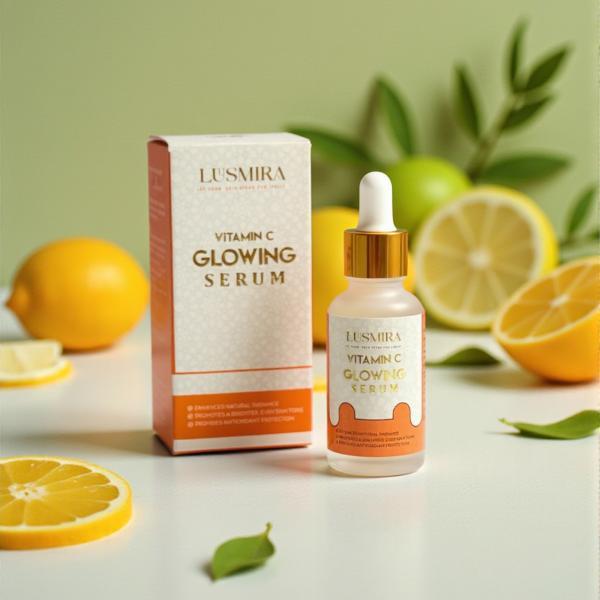
Your skin doesn't always need more.

Sometimes it needs consistency. Sometimes it needs gentler products. Sometimes it needs better sun protection. And sometimes it simply needs you to stop picking at that one tiny pimple you've been staring at for the last 20 minutes.
The point is simple: good skincare isn't only about what you put on your face. It's also about what you do every day.
So before buying another product, take a moment and look at your daily habits.
Your skin might already be telling you what it needs.





Discover why your skincare routine may not be working and learn 6 simple tips to support...

Discover the difference between retinal and retinol, how they work, their skincare benefits, and which vitamin...
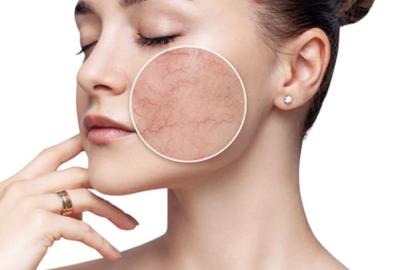
Discover the underrated skincare problem of a damaged skin barrier, its common causes, and how a...